
Bathroom Remodeling:7 Mistakes
Bathroom remodeling in Florida isn't like remodeling in Colorado or Connecticut. The humidity, subtropical climate, and moisture levels in Gainesville create unique challenges that turn small mistakes into expensive disasters. As a licensed General Contractor (CGC#1505226) and certified mold remediation specialist (MRSR#2607) operating in North Central Florida, we've walked into countless bathroom projects gone wrong: and fixed them.
Here are the seven most expensive mistakes Gainesville homeowners make during bathroom remodels, and how to avoid turning your dream upgrade into a drainage nightmare.
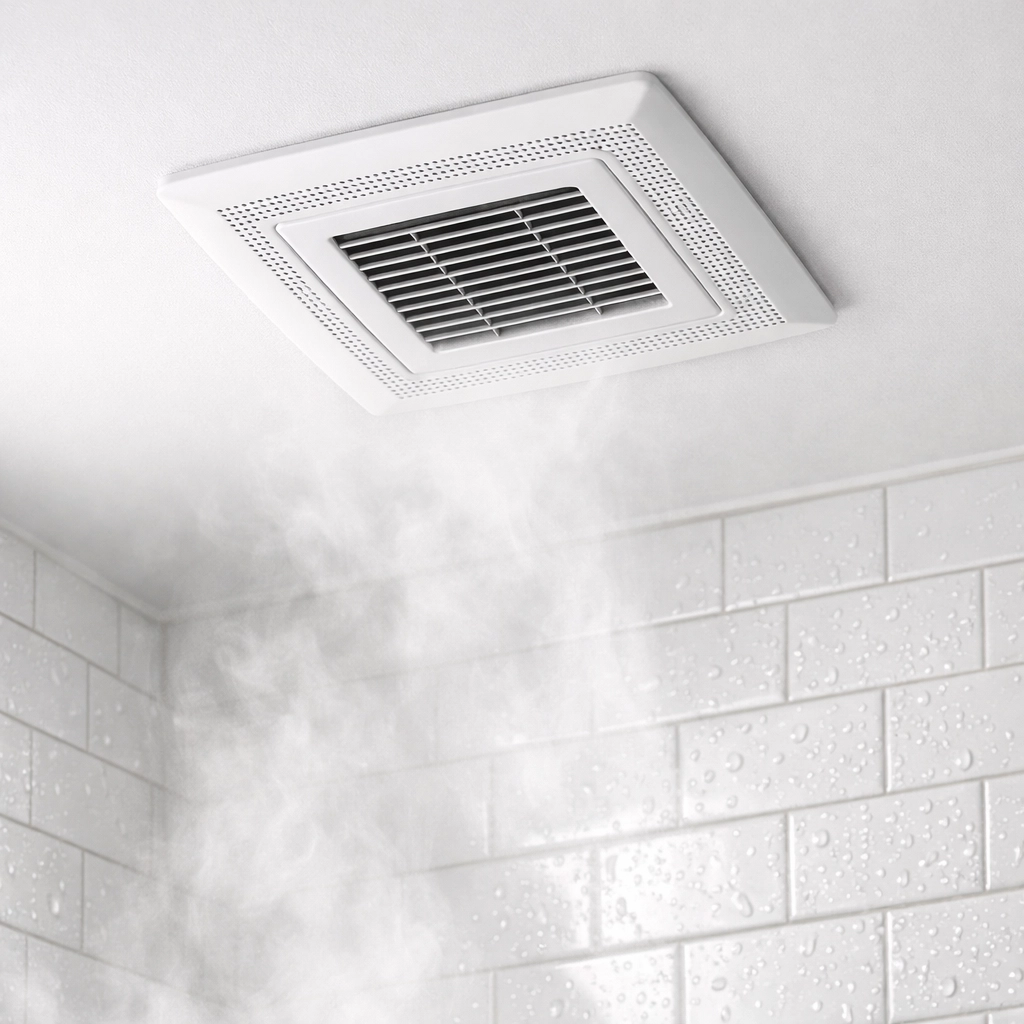
1. Skipping Proper Ventilation Planning
The Mistake: Installing a cheap exhaust fan as an afterthought or venting it into the attic instead of outside.
Florida bathrooms generate relentless moisture. Without adequate ventilation, that moisture settles into drywall, grout lines, and wood trim: creating the perfect environment for mold colonization. We've remediated bathrooms where homeowners spent $15,000 on tile and fixtures only to discover black mold spreading behind the walls within eighteen months.
The Fix: Size your exhaust fan properly for your square footage: minimum 50 CFM for bathrooms under 50 square feet, scaling up from there. Ensure the ductwork runs directly outside, not into your attic space where it dumps humid air onto insulation and framing. Install the fan on a timer or humidity sensor so it continues running after showers end.
If you're already dealing with moisture damage or visible mold growth, addressing ventilation alone won't solve the problem. Mold remediation requires state-mandated protocols and containment procedures: we follow Florida statute requirements for all remediation projects through our MRSR certification.
2. Choosing Materials That Can't Handle Florida Humidity
The Mistake: Selecting materials based on aesthetics without considering moisture resistance, vapor permeability, or Florida's climate demands.
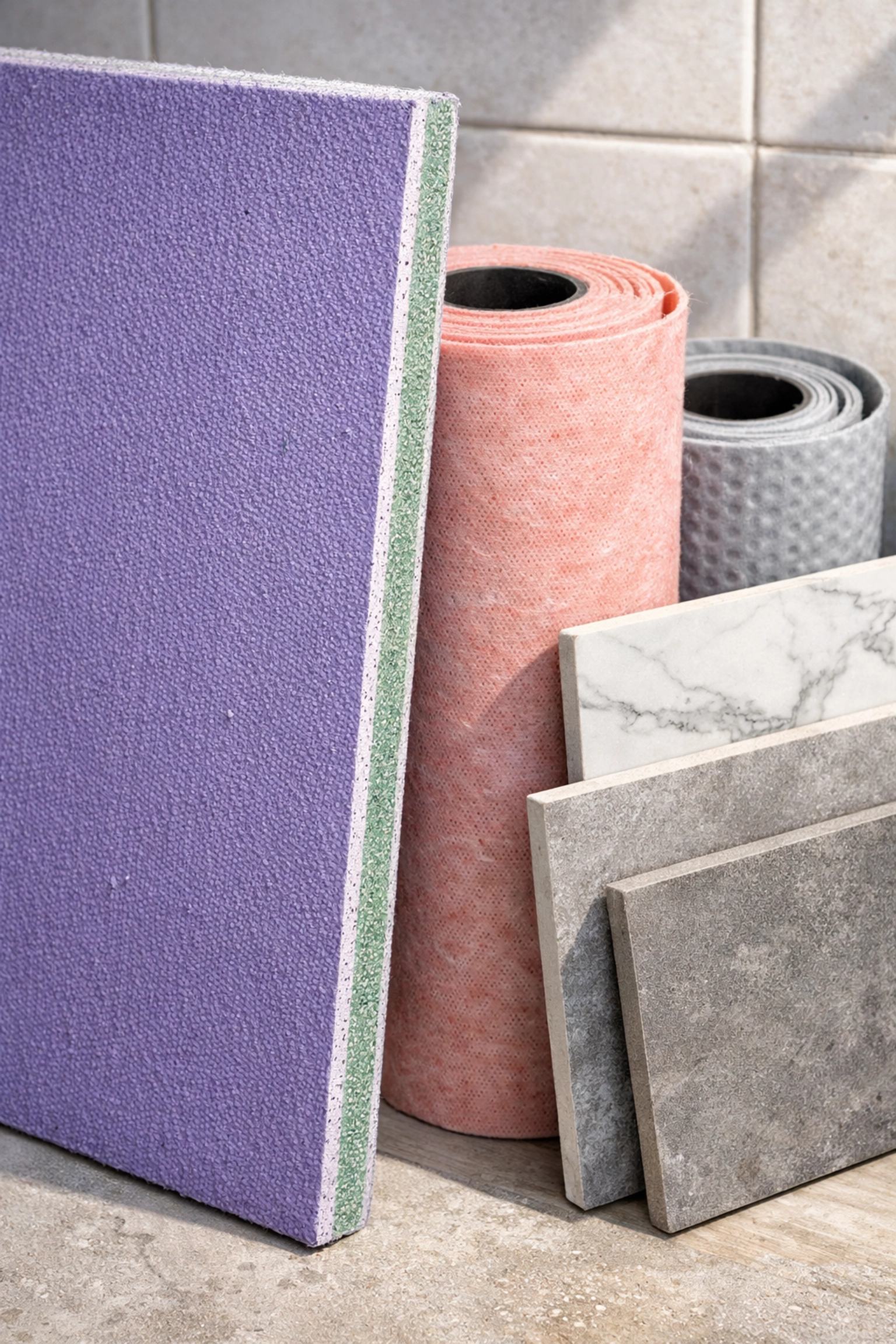
Standard drywall, unsealed wood vanities, and decorative tiles with high absorption rates don't last in Gainesville bathrooms. We've replaced rotted MDF vanities, delaminated drywall, and crumbling grout in bathrooms less than three years old: all because materials weren't rated for high-humidity environments.
The Fix: Specify moisture-resistant or mold-resistant drywall (purple board or green board) for all bathroom walls and ceilings. Choose porcelain tile over ceramic: porcelain has lower water absorption rates and performs better in wet environments. Select vanities constructed from plywood or solid wood with proper sealing, not particle board or MDF that swells when exposed to moisture.
For painted surfaces, use bathroom-specific paints with mildewcide additives and moisture-vapor permeability. We typically recommend satin or semi-gloss sheens that resist moisture penetration while remaining easy to clean.
3. Underestimating Hidden Costs and Contingencies
The Mistake: Setting a fixed budget based on surface-level material costs without accounting for structural surprises, plumbing relocations, or code compliance updates.
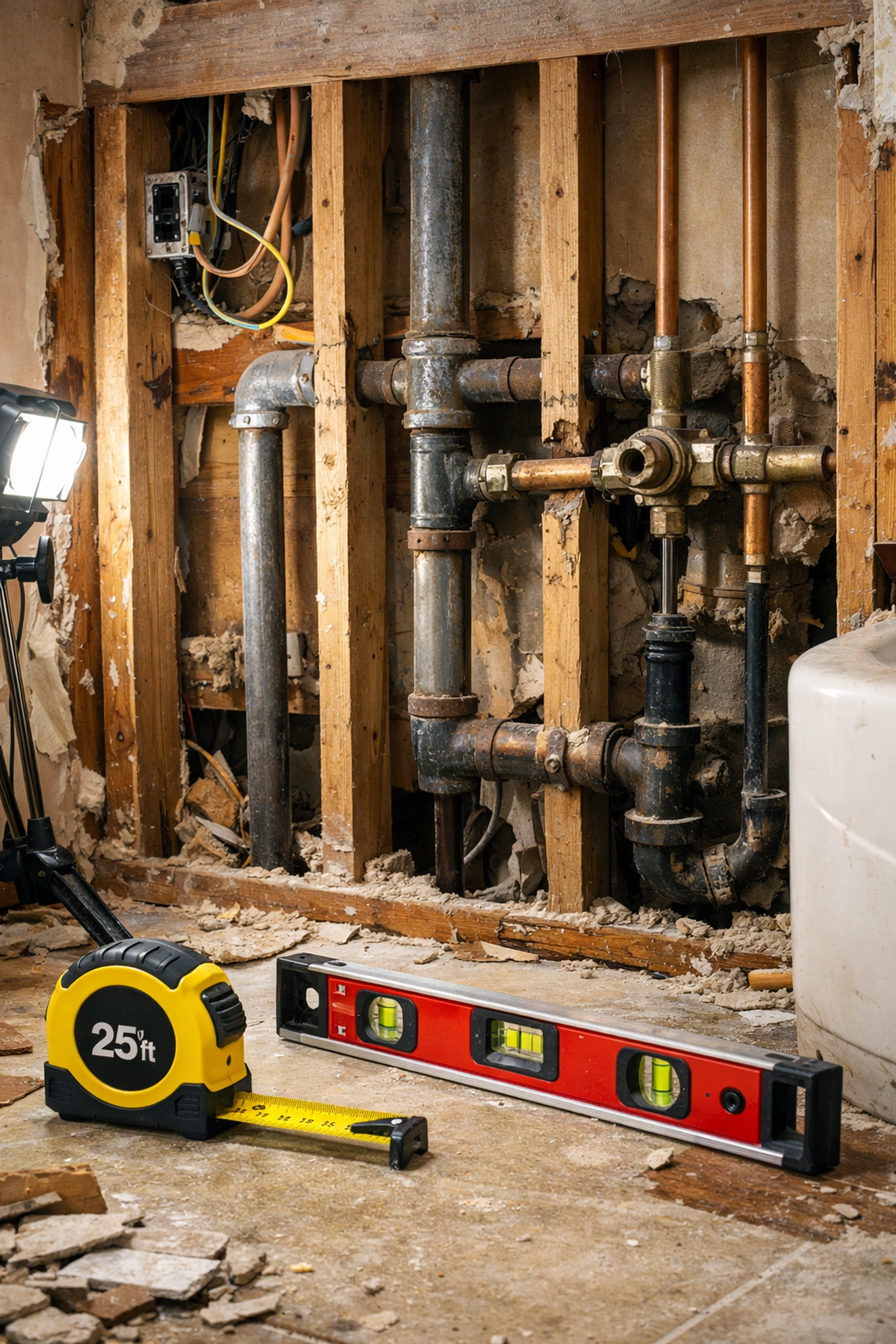
Opening walls in older Gainesville homes frequently reveals outdated plumbing, inadequate electrical service, termite damage, or previous water damage requiring remediation. Relocating a toilet or shower drain involves cutting concrete slabs or rerouting pipes through floor joists: work that adds thousands to project costs.
The Fix: Budget an additional 20-25% beyond your estimated material and labor costs for contingencies. Older homes (pre-1990) in Gainesville neighborhoods often require electrical panel upgrades, new supply lines, or structural reinforcement once walls open up.
Hire a licensed contractor to conduct a pre-renovation assessment. We inspect framing, check for previous moisture damage, verify plumbing functionality, and identify code compliance issues before demolition begins: preventing expensive surprises mid-project.
4. DIYing Technical Work Beyond Your Skill Level
The Mistake: Attempting plumbing modifications, electrical work, tile installation, or waterproofing without proper training, tools, or understanding of Florida building codes.
Florida building codes exist for specific reasons: protecting structural integrity and preventing moisture intrusion in our climate. Improperly installed shower pans, inadequate waterproofing membranes, or incorrectly sloped drains lead to water damage that migrates into subfloors and wall cavities. We've remediated black mold colonies growing on floor joists because a homeowner installed tile over an improperly waterproofed cement board.
The Fix: Hire licensed professionals for plumbing, electrical, and waterproofing work. In Florida, bathroom renovations involving plumbing modifications require permits and inspections: for good reason. Licensed contractors carry liability insurance and understand moisture barrier installation, proper substrate preparation, and code-compliant drain assemblies.
Focus DIY efforts on demolition, painting, or hardware installation: tasks where mistakes don't create structural or safety hazards. Technical work requires specialized knowledge of building science, especially in high-humidity climates where waterproofing failures cause exponential damage.
5. Ignoring Proper Fixture Clearances and Layout
The Mistake: Cramming oversized fixtures into small spaces or failing to maintain code-required clearances between toilets, vanities, and shower enclosures.
Florida building code mandates minimum clearances for bathroom fixtures: 15 inches from toilet centerline to walls or other fixtures, 21 inches clear space in front of toilets, and adequate swing space for shower doors. These aren't arbitrary numbers; they ensure functional, accessible bathrooms that meet safety standards and maintain resale value.
The Fix: Measure carefully and plan layouts that accommodate both fixture dimensions and required clearances. In smaller Gainesville bathrooms, wall-hung toilets, pedestal sinks, or corner shower enclosures maximize usable space while maintaining code compliance.
Consider door swing directions, towel bar placement, and toilet paper holder locations during the planning phase: not after tile installation. We create detailed layout drawings that account for clearances, door swings, and accessory placement before any demolition begins.
6. Failing to Address Existing Moisture or Mold Issues
The Mistake: Covering up water stains, musty odors, or visible mold growth with fresh drywall and paint without identifying the moisture source or properly remediating contamination.
Mold doesn't disappear when you tile over it. Active moisture intrusion: whether from roof leaks, plumbing failures, or inadequate ventilation: continues feeding mold colonies hidden behind new finishes. Within months, that "fresh" bathroom develops recurring mildew, peeling paint, or health-affecting air quality issues.
The Fix: Identify and eliminate moisture sources before renovating. Roof leaks, failed shower pans, and inadequate ventilation all require correction before installing new finishes. Visible mold growth requires professional remediation following Florida Department of Health protocols: containment, HEPA filtration, proper disposal, and source correction.
Our mold remediation license (MRSR#2607) means we follow state-mandated procedures for assessing contamination, establishing containment barriers, and verifying successful remediation through clearance testing. Simply painting over mold-stained drywall doesn't address the underlying contamination or moisture source.
7. Designing Without Considering Long-Term Needs
The Mistake: Choosing trendy finishes, complex tile patterns, or layouts that don't accommodate aging in place or future resale considerations.
Bathroom remodels represent significant investments: $8,000 to $25,000 for mid-range renovations in Gainesville. Designing purely for current trends or aesthetics without considering functionality, maintenance requirements, or universal design principles limits your renovation's longevity and return on investment.
The Fix: Incorporate universal design elements that enhance functionality for all ages and abilities. Install blocking inside walls for potential future grab bar installation, even if you don't need them currently. Maintain curbless shower access where possible, and choose slip-resistant flooring materials.
Select classic tile patterns, neutral color palettes, and timeless fixtures that maintain appeal across design trends. Avoid complex mosaic patterns that increase installation costs and make future repairs difficult to match. Focus on durable, easily maintained materials that perform well in Florida's climate: porcelain tile, quartz countertops, and moisture-resistant cabinetry.
Getting Your Gainesville Bathroom Remodel Right
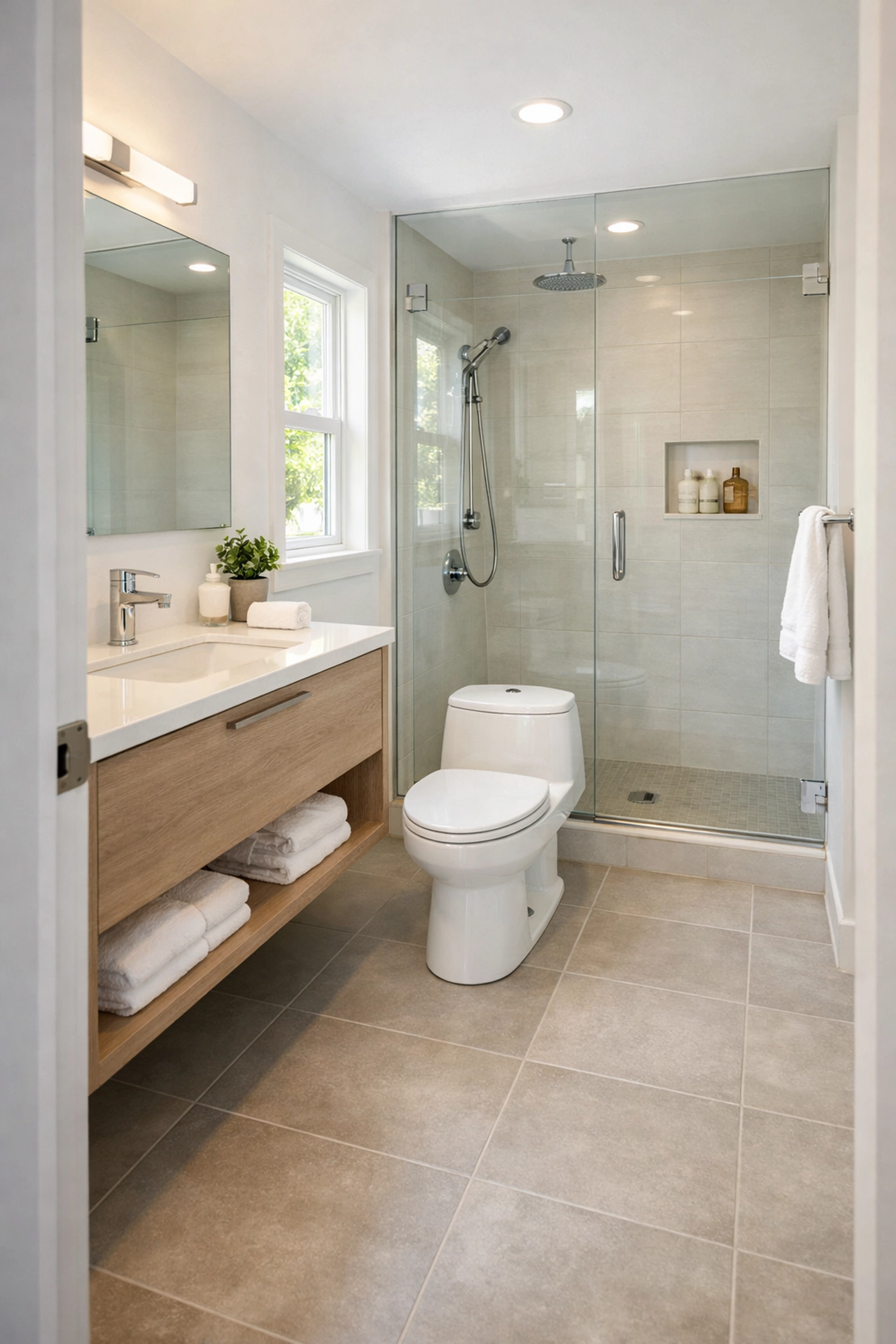
Bathroom renovations in Florida require specialized knowledge of climate-specific challenges, building code requirements, and moisture management strategies. The difference between a successful fifteen-year renovation and a moisture-damaged failure often comes down to proper ventilation, appropriate material selection, and hiring licensed professionals who understand Florida building science.
We handle comprehensive bathroom remodeling throughout Gainesville: from design consultation and permitting through final inspection. Our General Contractor license (CGC#1505226) covers all structural, plumbing, and electrical modifications, while our mold remediation certification (MRSR#2607) ensures we properly address any existing moisture or contamination issues before installing new finishes.
Need help planning your bathroom renovation or fixing mistakes from a previous project? Contact us for a detailed assessment of your space, transparent cost estimates, and expert guidance on creating a bathroom that performs well in Florida's demanding climate.
 Print
Print 